
Faculty of Health Care Aide
Practical education for compassionate service in personal care, home and community support, client well-being, and therapeutic recreation.
Preparing Students for Compassionate Support
The Faculty of Health Care Aide provides practical educational pathways for students who want to develop knowledge and skills for supporting individuals in home, community, senior-care, recreational, and other care-oriented environments.
Our programs emphasize respectful communication, client dignity, personal support, safety awareness, ethical conduct, independence, and compassionate service.
Effective support begins by recognizing that every person has individual needs, preferences, abilities, experiences, beliefs, and goals. Students are encouraged to provide support that respects dignity and promotes independence.
Choose Your Care & Support Pathway
Explore practical certificate programs designed for different areas of personal care, home support, community service, and therapeutic recreation.
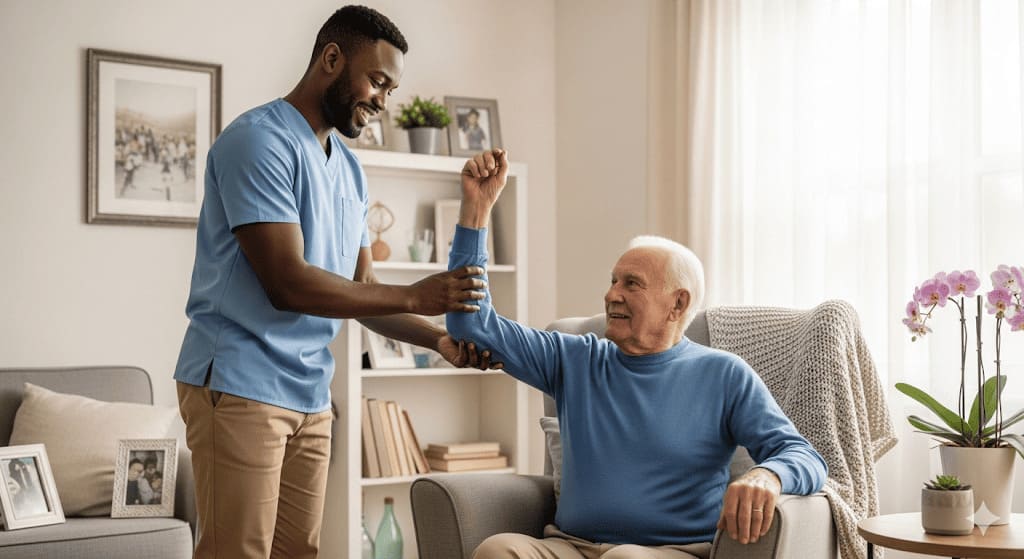 Personal Care
 Health Care Aide Certificate
Develop foundational skills for compassionate personal care and client support.
- Personal care and mobility support
- Client dignity and independence
- Communication and observation
- Safety and infection-prevention awareness
- Ethical and respectful care
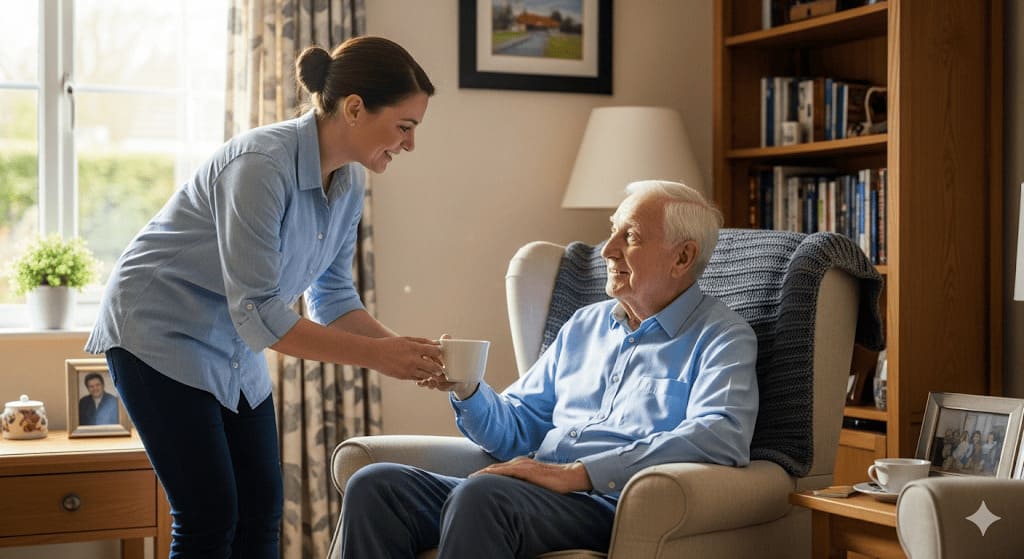 Home Support
 Home Care Support Worker Certificate
Prepare to support individuals who require assistance with everyday activities in home and community environments.
- Daily living support
- Home and client safety
- Communication and professionalism
- Household support principles
- Promoting client independence
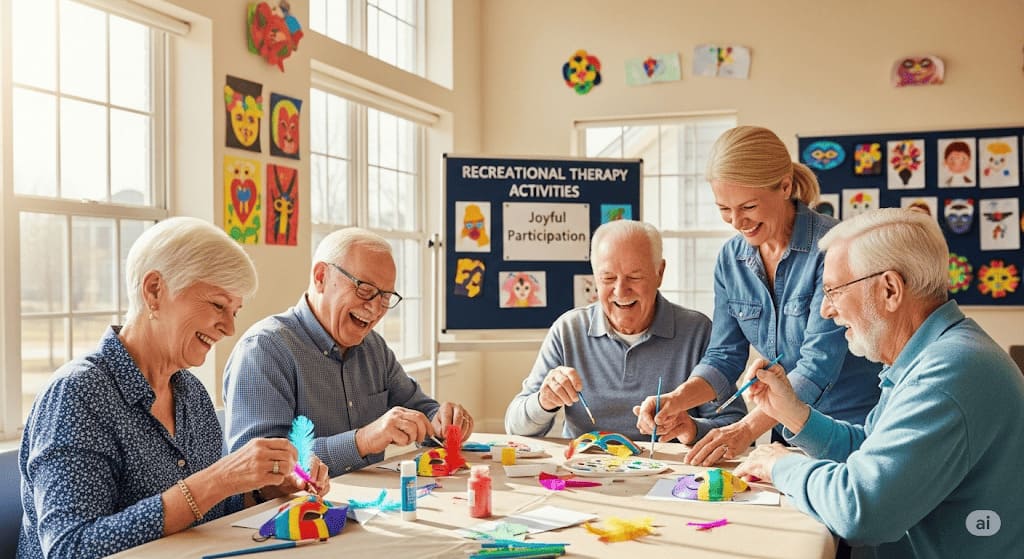 Recreation & Wellness
 Therapeutic Recreation & Activation Assistant
Learn to support well-being and engagement through meaningful recreational and activation activities.
- Therapeutic recreation foundations
- Activity planning and facilitation
- Client engagement
- Team-based support
- Dignity, participation, and well-being
What Students Will Learn
Students develop foundational knowledge and practical awareness for respectful, safe, and compassionate client support.
Personal Care
Principles of respectful assistance with personal needs and daily activities.
Communication
Communicating appropriately with clients, families, supervisors, and care teams.
Safety
Awareness of safe care environments, infection prevention, and risk reduction.
Client Dignity
Supporting privacy, choice, independence, respect, and person-centred care.
Senior Support
Understanding common support needs of older adults and vulnerable individuals.
Ethical Practice
Confidentiality, boundaries, accountability, professionalism, and responsible conduct.
Wellness Support
Promoting participation, social connection, meaningful activity, and quality of life.
Teamwork
Understanding responsibilities within collaborative care and support environments.
Supporting the Whole Person
Quality support involves more than completing tasks. Care workers interact with people who may be experiencing aging, disability, illness, reduced independence, social isolation, or changing personal circumstances.
Students are encouraged to approach care with patience, professionalism, empathy, observation, respect, and attention to individual needs.
- Respect personal choices and preferences
- Promote independence whenever appropriate
- Protect privacy and dignity
- Communicate concerns through proper channels
- Maintain appropriate boundaries
- Work cooperatively within care teams
Where Graduates May Seek Opportunities
Depending on the program completed and the requirements of individual employers or jurisdictions, graduates may explore support roles in a variety of care environments.
Home Care
Private homes, family-directed care, and home-support environments.
Community Support
Community programs, support organizations, and service agencies.
Senior Care
Senior living, retirement, recreational, and supportive-care environments.
Recreation & Activation
Programs supporting engagement, wellness, social participation, and meaningful activities.
Principles of Compassionate Care
The strongest care providers combine practical skill with character, responsibility, and respect for the people they support.
Recognize the dignity, preferences, privacy, and individuality of every client.
Respond to people with patience, empathy, kindness, and sensitivity.
Follow established procedures and remain attentive to risks and changes.
Protect private information and communicate responsibly.
Understand personal responsibilities, limitations, and reporting expectations.
Demonstrate reliability, appropriate boundaries, teamwork, and ethical behaviour.
Important Education & Employment Notice
Shiloh College programs provide education and skills training. Completion of a certificate does not by itself guarantee employment, registration, professional designation, or eligibility for every health care or support position. Employers, government bodies, care facilities, professional organizations, and other agencies may establish additional requirements such as specific credentials, background screening, immunization records, First Aid/CPR certification, clinical or practical experience, language proficiency, or other occupational requirements. Students should confirm the requirements applicable to their intended role and jurisdiction.
Begin Your Care & Support Training
Develop practical knowledge, compassionate care skills, professional awareness, and the confidence to support individuals, families, seniors, and communities with dignity and respect.